IgG Binding Proteins, Postbiotics, Prebiotics, and Probiotics: A Clinical Overview for Healthcare Professionals

Introduction
The human microbiome is a fundamental determinant of health, influencing metabolic, immunological, neurological, and gastrointestinal processes. This ecosystem of trillions of microorganisms supports nutrient digestion and immune function. Disruption of the gut microbiome by environmental factors, medications, changes in diet and other causes of dysbiosis can result in imbalances in health and microbiota.
Given its importance, gut microbiota has become a clinical target for support. Key strategies include prebiotics, which nourish beneficial microbes; probiotics, which introduce live beneficial strains; postbiotics, which deliver non-viable microbial products and metabolites; and the emerging category of immunoglobulin G (IgG) Binding Proteins, a new class of bioactive binding proteins inspired by natural defense established in colostrum to balance mechanisms in the gastrointestinal tract.
Prebiotics: Fueling Beneficial Microorganisms
Definition and Overview
Prebiotics are “substrates that are selectively utilized by host microorganisms conferring a health benefit” (Gibson et al., 2017). Unlike typical dietary fibers, prebiotics may stimulate beneficial gut bacteria—such as Bifidobacterium and Lactobacillus species—to produce bioactive compounds that foster health and immune balance.
Mechanisms of Action
Prebiotics may promote the growth and metabolic activity of beneficial microbes through selective fermentation. This process produces short-chain fatty acids (SCFAs)-acetate, propionate, and butyrate—that serve as both cellular energy sources and signaling molecules. Butyrate, in particular, is essential for colonocyte nourishment, epithelial barrier integrity, and immune homeostasis. SCFAs also lower intestinal pH, helping inhibit pathogenic bacterial growth, while simultaneously improving regulatory T cell function and dampening inflammation (Slavin, 2013).
Clinical Relevance
Clinical studies consistently show the efficacy of prebiotics in improving digestive health, improving calcium and magnesium absorption, and supporting metabolic regulation. Inulin and fructo-oligosaccharides (FOS) have been shown to reduce systemic inflammatory markers, improve glycemic control, and promote a favorable gut microbial profile (Roberfroid et al., 2010). Additionally, prebiotic supplementation may help mitigate antibiotic-associated dysbiosis and diarrhea.
For clinical use, dosage, and source matter. Effective amounts typically range between 3–10 g/day, depending on tolerance and gastrointestinal sensitivity. Prebiotic interventions are especially relevant in patients with low microbial diversity or insufficient dietary fiber intake.
Probiotics: Live Beneficial Microorganisms
Definition and Overview
Probiotics are defined as “live microorganisms that, when administered in adequate amounts, confer a health benefit on the host” (Hill et al., 2014). These include a range of beneficial bacterial and yeast strains, with Lactobacillus, Bifidobacterium, and Saccharomyces boulardii being the most extensively investigated.
Mechanisms of Action
Probiotics support intestinal and systemic health through multiple mechanisms. They work through competitive exclusion of unwanted microbes by colonizing attachment sites on the intestinal mucosa, and through the production of metabolites like bacteriocins and organic acids that inhibit unwanted microorganisms. Probiotics also produce SCFAs to improve epithelial barrier function and help prevent translocation of microbes. Additionally, they provide immunomodulation by influencing innate and adaptive immune responses and promoting anti-inflammatory pathways (Bermudez-Brito et al., 2012). Certain strains also support gut-brain axis modulation, influencing neurotransmitter production, and reducing stress-related or depressive symptoms by regulating inflammatory cytokines and serotonin pathways.
Clinical Relevance
Meta-analyses highlight the role of probiotics in reducing occasional diarrhea, particularly antibiotic-associated and situational diarrhea (Goldenberg et al., 2013). Lactobacillus rhamnosus GG and S. boulardii demonstrate the strongest evidence base for indication, focused on GI concerns and immune support. Strain specificity remains pivotal; benefits from one strain cannot be generalized to another, even within the same genus. Clinicians should consider targeted, evidence-based probiotic strains based on the patient’s clinical profile, gastrointestinal symptoms, or immune health goals.
Postbiotics: Metabolites and Components with Targeted Biological Activity
Definition and Overview
Postbiotics are defined as “preparations of inanimate microorganisms and/or their components that confer a health benefit on the host” (Salminen et al., 2021). These compounds represent a newer approach to microbiome science, expanding on the science of probiotics with enhanced stability, safety, and predictability. Postbiotics include non-viable bacterial cells, cell wall components (e.g., peptidoglycans, teichoic acids), and metabolites such as SCFAs, polysaccharides, antioxidants, and enzymes.
Mechanisms of Action
Unlike probiotics, postbiotics do not rely on the colonization of live organisms, making them safer for high-risk populations. They provide their benefits through barrier reinforcement by enhancing expression of tight junction proteins, thereby reducing intestinal permeability (Vinderola et al., 2022). Postbiotics also work through immune modulation via interaction with pattern recognition receptors (PRRs), such as Toll-like receptors (TLRs), to activate balanced anti-inflammatory responses. Additionally, they influence metabolic regulation by affecting glucose and lipid metabolism while supporting SCFA-mediated signaling.
Clinical Relevance
Postbiotics have shown promising results across several clinical domains. In gastrointestinal health, heat-killed Lactobacillus paracasei and Bifidobacterium breve have reduced diarrhea duration and improved mucosal resilience. For immunological regulation, postbiotics from Lactobacillus rhamnosus GG induce mucosal IgA production, enhancing immune defense. Additionally, SCFA-rich postbiotic preparations have improved insulin sensitivity and lipid balance in metabolic disorders, demonstrating their role in metabolic modulation. Because they contain no viable organisms, postbiotics can be used safely in immunocompromised or critically ill patients for whom live microbial therapy carries potential risk. Their long shelf-life also contributes to clinical practicality in diverse care settings.
IgG Binding Proteins: Targeted Gut Support and Immune Modulation
Overview
Binding Proteins, selected from camelid immunoglobulin G (IgG) binding domains, represent a new frontier in gut and immune health. Inspired by nature’s protective mechanisms in colostrum, these proteins mimic the binding and neutralization capabilities of natural antibodies. By selectively interacting with microbial metabolites and toxins that compromise gut homeostasis, Binding Proteins help maintain mucosal integrity and microbiota equilibrium.
Mechanism of Action
IgG Binding Proteins are designed to bind and neutralize specific microbial metabolites that would otherwise damage intestinal cells and disrupt the epithelial barrier. Experimental models have shown them to completely blocking enterotoxin-induced cell injury while preserving epithelial viability and integrity.
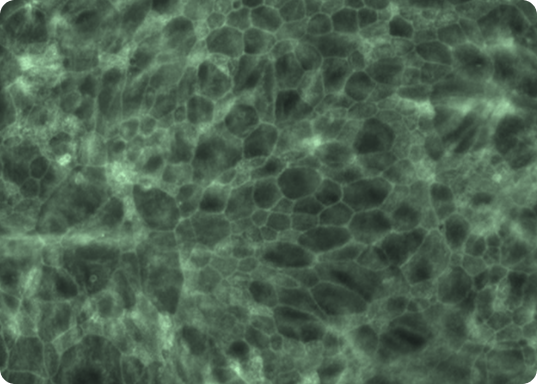
In in vitro studies using intestinal cell cultures and flow-cell systems (Caco-2 epithelial models), Binding Proteins maintained the structural integrity of tight junction proteins and significantly reduced pathogenic E. coli colonization (Petersson et al., 2025, Gut Microbes). Binding Protein LT supports microbiome balance by selectively reducing unwanted metabolites and enriching beneficial species such as Prevotella, Lactobacillus, and Ruminococcus. These species produce SCFAs that support digestion and gut health in animal models (Jenkins et al. 2024 npj Biofilms and Microbiomes). Mechanistically, this protective action is selective: Binding Proteins target unhealthy metabolites by transporting through the GI tract; rather than beneficial microbial products or commensal species, allowing for continued microbial diversity and metabolic function.
The Gut Barrier and Its Role in Health
The gut barrier serves as a crucial defense line, regulating nutrient absorption and preventing entry of harmful substances into systemic circulation. Disruption of this barrier—often referred to as “leaky gut”—is linked to a wide spectrum of GI conditions.
By neutralizing harmful microbial byproducts and reinforcing epithelial junctions, Binding Proteins protect against permeability-associated inflammation and oxidative stress. They act as a molecular shield, preventing the cascade of immune activation that follows microbial metabolite exposure.
Clinical Relevance
Emerging studies indicate that Binding Proteins can play a role in maintaining gastrointestinal balance without the collateral effects of broad antimicrobial approaches. Their high selectivity and non-bactericidal mechanism enable colonization of beneficial microbes, while reducing toxin burden—a novel concept that complements the actions of prebiotics, probiotics, and postbiotics.
Preliminary evidence suggests potential applications in:
- Support for gastrointestinal health during travel.
- Support for gut barrier function.
- Adjunctive use during antibiotic therapy to mitigate toxin-induced barrier disruption.
- Nutritional strategies for promoting gut resilience under conditions of stress or illness.
These properties make IgG Binding Proteins a valuable addition to clinical nutrition and integrative care aimed at gut homeostasis.
Synergistic Relationships and Clinical Integration
Optimal gut health depends on a multidimensional approach that addresses microbial nourishment, balance, and barrier protection. The combined use of prebiotics and probiotics—known as synbiotics—has demonstrated synergistic benefits, promoted survival and colonization of beneficial microbes while enhanced metabolites such as SCFAs (Swanson et al., 2020).
Adding postbiotics and Binding Proteins to this mix completes a full spectrum strategy: prebiotics fuel beneficial bacteria, probiotics populate and balance the microbiota, postbiotics deliver bioactive metabolites for immune and metabolic modulation, and Binding Proteins bind with metabolites of microbes and then support tight-junctions and inflammatory response in the GI system. Together, these tools create a robust and resilient system for maintaining mucosal health and microbial diversity.
Clinical Implementation Tips:
- Strain and substrate specificity: Match probiotic strains and prebiotic substrates to the desired clinical outcome.
- Dosage and delivery: Probiotics are typically administered at 10⁸–10¹¹
- CFU daily; prebiotics in doses that patients tolerate without excessive gas or discomfort.
- Duration: Sustained use (weeks to months) is often required for measurable effects in respect to many of the prebiotics and probiotics. Binding Proteins will have a more immediate effect.
- Safety considerations: Binding Proteins are particularly suited for sensitive populations due to their stability and not a microbial solution.
- Individualized care: Microbiome composition, diet, medication use, and systemic health factors should inform personalized recommendations.
Conclusion
Prebiotics, probiotics, postbiotics, and IgG-binding proteins form an expanding toolkit for clinicians working to modulate the human microbiome safely and effectively. These interventions work through complementary biological pathways: prebiotics feed beneficial microbes; probiotics rebalance living microbes; postbiotics deliver protective and structural molecules; and Binding Proteins safeguard the intestinal barrier from microbial byproducts.
Binding Proteins have potential across a wide range of patient populations. For those with recurrent gastrointestinal disturbances or post-antibiotic dysbiosis, Binding Proteins may offer a new way to restore gut homeostasis. Their high safety profile and precise mechanism make them especially suitable for vulnerable or immunocompromised groups, where live microbial supplementation may carry risks.
As science evolves, Binding Proteins are set to complement and enhance traditional microbiome support strategies. Healthcare professionals can include these components in a layered therapeutic approach: using prebiotics to nurture beneficial microbes, probiotics to restore balance, postbiotics to deliver bioactive metabolites, and Binding Proteins to strengthen barrier function and neutralize microbial threats at the source.
This emerging class of IgG-binding proteins represents the next generation of gutsupportive interventions, combining nutritional science and immunology to protect the intestinal ecosystem with greater specificity and safety. As understanding of gut-immune interactions grows, Binding Proteins offer a promising, clinically relevant advancement for supporting intestinal resilience, supporting microbiota health, and promoting wellness.
These tools can be combined in personalized protocols that improve gastrointestinal function, modulate inflammation, and support systemic resilience (Hernando et al., 2026). As scientific understanding deepens—particularly in areas like microbial metabolomics and host–microbe immunology—these therapies will continue to shape preventive, integrative, and therapeutic strategies.
References
Bermudez-Brito, M., et al. (2012). Probiotic mechanisms of action. Annals of Nutrition and Metabolism, 61(2), 160–174.
Gibson, G. R., et al. (2017). ISAPP consensus statement on the definition and scope of prebiotics. Nature Reviews Gastroenterology & Hepatology, 14(8), 491–502.
Goldenberg, J. Z., et al. (2013). Probiotics for the prevention of antibiotic-associated diarrhea in adults and children. Cochrane Database of Systematic Reviews, (5), CD006095.
Hill, C., et al. (2014). The ISAPP consensus statement on the scope and appropriate use of the term probiotic. Nature Reviews Gastroenterology & Hepatology, 11(8), 506–514.
Jenkins, T. P. et al.. (2024). Protecting the piglet gut microbiota against ETEC-mediated post-weaning diarrhoea using specific binding proteins. NPJ biofilms and microbiomes, 10(1), 42.
Lee, S., Meslier,et al.(2024). Transient colonizing microbes promote gut dysbiosis and functional impairment. NPJ biofilms and microbiomes, 10(1), 80.
Petersson, J., et al. (2025). Toxin-binding proteins preserve epithelial barrier function by selective neutralization of bacterial enterotoxins in flow-cell intestinal models. Gut Microbes.
Roberfroid, M., et al. (2010). Prebiotic effects: metabolic and health benefits. British Journal of Nutrition, 104(S2), S1–S63.
Salminen, S., et al. (2021). ISAPP consensus statement on the definition and scope of postbiotics. Nature Reviews Gastroenterology & Hepatology, 18(9), 649–667.
Slavin, J. (2013). Fiber and prebiotics: mechanisms and health benefits. Nutrients, 5(4), 1417–1435.
Swanson, K. S., et al. (2020). ISAPP consensus statement on the definition and scope of synbiotics. Nature Reviews Gastroenterology & Hepatology, 17(11), 687–701.
Vinderola, G., et al. (2022). The evolving concept of postbiotics. Nutrients, 14(2), 420.
Wines, B. D., & Hogarth, P. M. (2006). IgA receptors in health and disease. Tissue Antigens, 68(2), 103–114.


.png)