Introduction
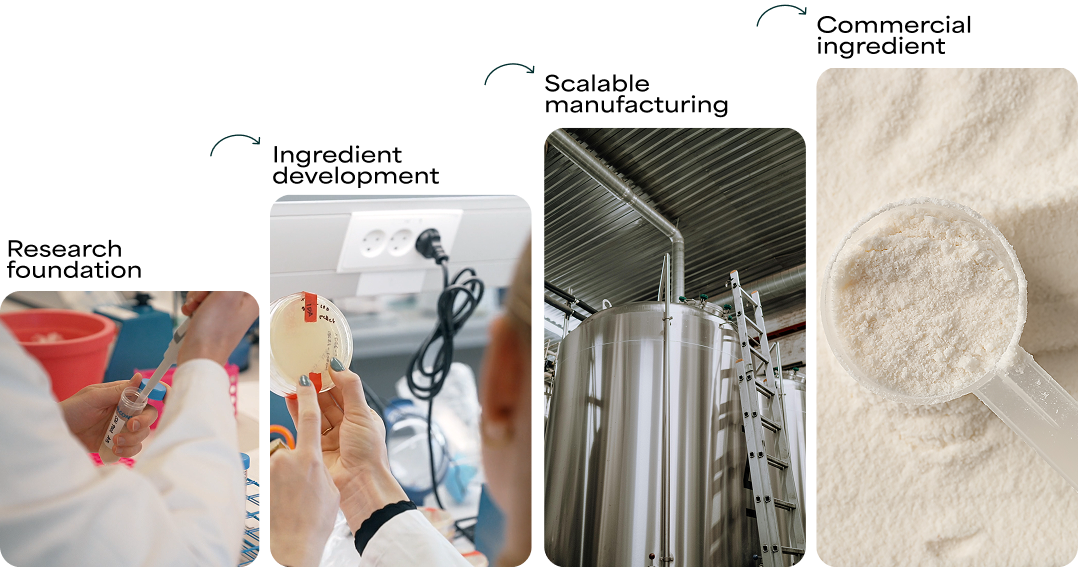
Precision fermentation is increasingly used to produce new food ingredients for global markets. Fermentation itself is as old as civilization: for thousands of years, with little knowledge of the mechanisms at work, it has been used to turn highly perishable foods such as milk and fruit into yogurt, cheese, vinegar, beer, and wine, both for preservation and for culinary refinement. In the 1850s, Louis Pasteur and his contemporaries documented the central role of specific microorganisms in the process.1 Nearly a century later, the discovery of genetics and the revolution in modern microbiology that followed gave fermentation a new role in bio-manufacture.2 Among the field's most significant successes was the demonstration that a yeast or a bacterium could be directed to produce human insulin.3
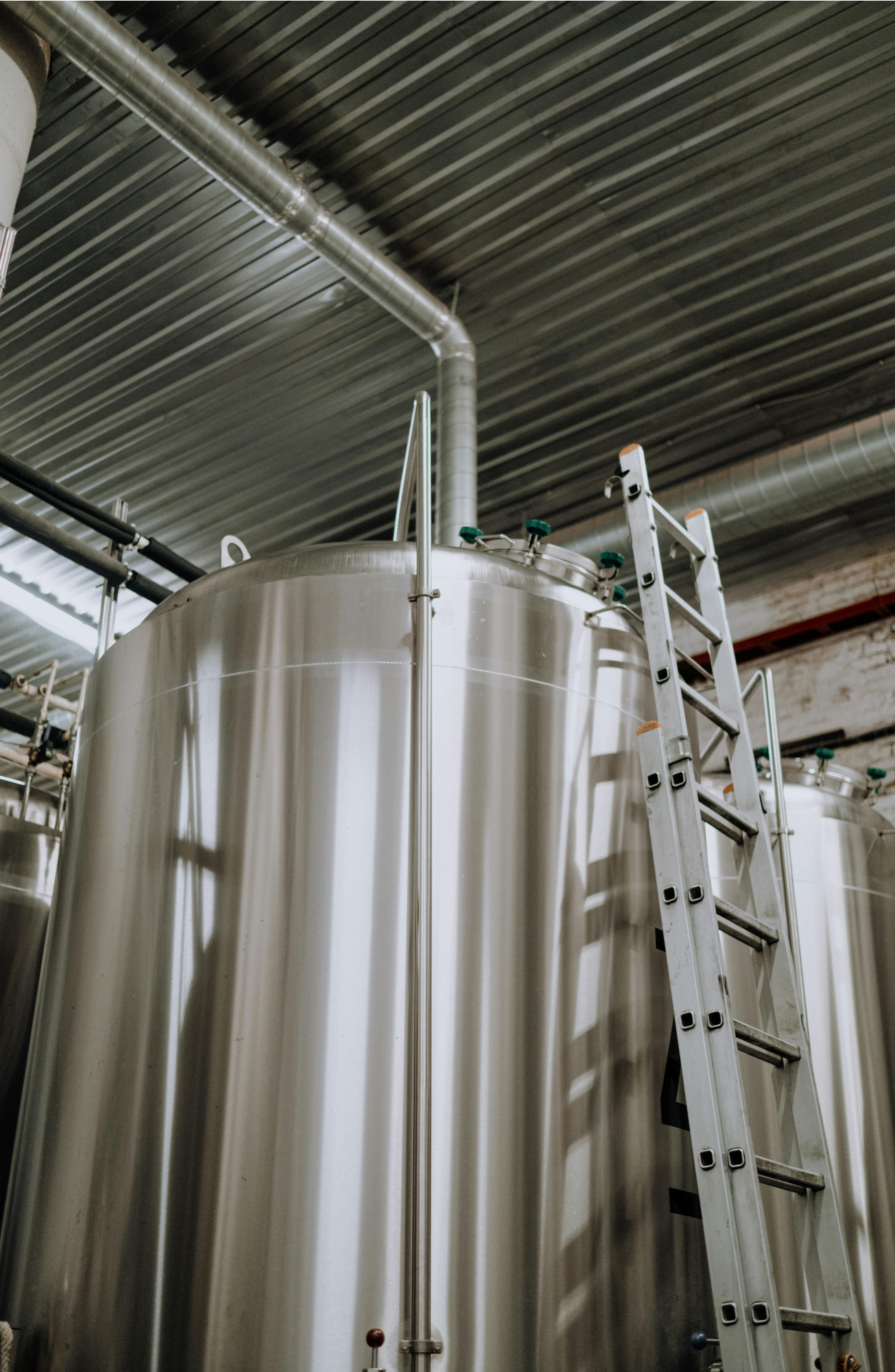
As bio-industrial fermentation matured, so did the broader field of biotechnology, and understanding of how microorganisms function continued to advance. In recent decades, that knowledge, combined with far greater analytical capability, has allowed fermentation scientists to treat the cells in the fermentation tank as small factories.4 Under a defined set of instructions and carefully controlled fermentation conditions, these cell factories convert raw materials into a complex fermentate enriched in one or more desired molecules — in this case, IgG Binding Proteins.
Although the transition occurred gradually over the past quarter century, it is this fine-tuning of process and production strain that led to the term precision fermentation.5 ,6
That same precision allows manufacturers to produce a consistent, high-quality, safe food-grade ingredient designed for reliable performance and clean integration into formulations.
How Precision Fermentation Works
Precision fermentation is a biotechnology process that uses microorganisms — yeast, bacteria or fungi — as microscopic factories to produce specific proteins or compounds. Ingredient manufacturers produce the desired molecule by fermentation much as yeast produces alcohol in brewing, but engineered for a targeted output. The method enables scalable, consistent, and environmentally sustainable production of complex proteins without requiring the original source organism, making it an efficient route to produce functional ingredients, such as IgG Binding Proteins, at scale.
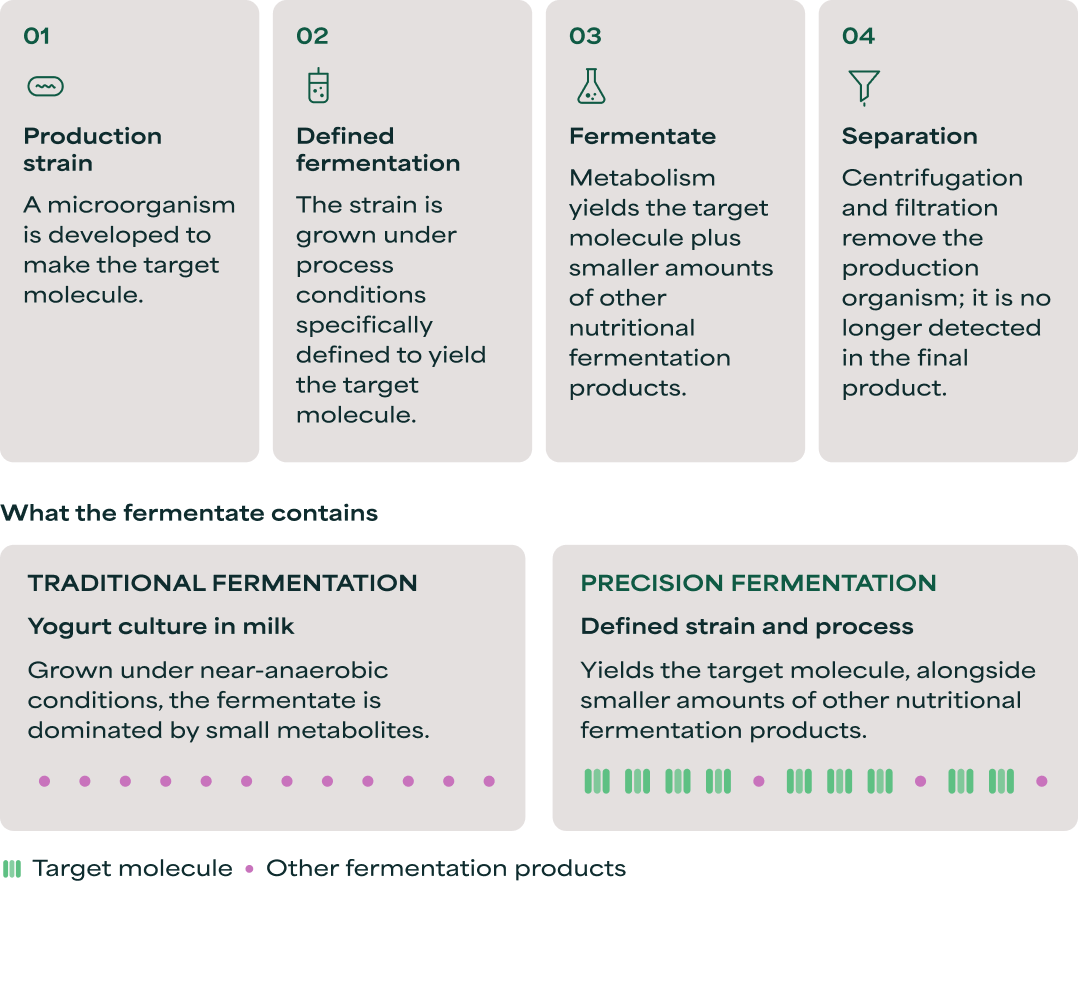
Producing any given molecule begins with developing a production strain capable of making it. When that microorganism is grown under a defined set of conditions, its metabolism yields a fermentate comprising a range of molecules, including proteins and smaller compounds known as metabolites. In a yogur t culture grown in milk under near-anaerobic conditions, for example, the fermentate is dominated by the small metabolites lactic acid and short-chain fatty acids.7 In precision fermentation, by contrast, both the production strain and the process conditions are specifically defined to yield the target molecule. Alongside that molecule, precision-fermented food products typically contain smaller amounts of other nutritional fermentation products, such as carbohydrates, proteins, and dietary fiber.
The production organism is easily removed from the fermentate through centrifugation and filtration steps and no longer detected in the final product.8
The process 7-8
Both the production strain and the process conditions are defined to yield one target molecule, which is then separated from the organism that made it.
The approach is already well established across the nutritional space for other well-known ingredients: human milk oligosaccharides (HMOs), lactoferrin, beta-lactoglobulin and a growing list of other ingredients are produced this way. It offers the food industry the beneficial functionality from animal-originated proteins to be manufactured without the actual use of animals.
How Precision Fermentation Eliminates Natural Variation
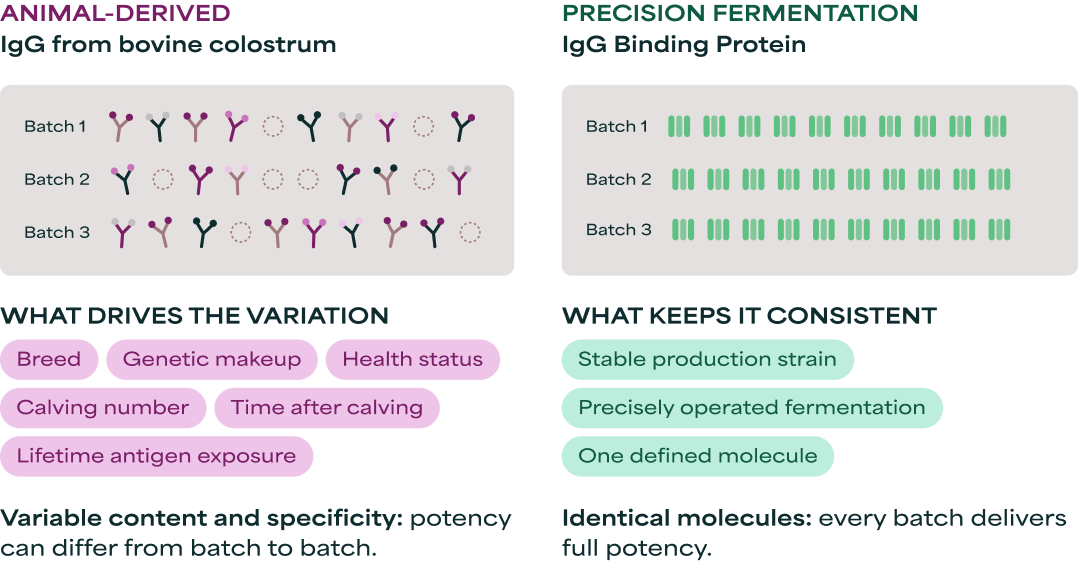
All biological products are subject to natural variation. Sometimes that variation is immediately evident; sometimes it exists only at the molecular level, where it can be far more consequential. The immunoglobulin content of bovine colostrum, for instance, has long been known to vary considerably by breed, genetic makeup, health status, calving number and time of collection after calving.9, 10 Antibody specificity also varies significantly between the milk and colostrum of different cows, depending on the stability of the production strain and the precision with which a fermentation plant can be operated essentially eliminate this variation.
Every IgG Binding Protein molecule is identical to those in every other batch, so each batch delivers full potency. By contrast, animal-derived IgG varies with the spectrum of antigens each animal encountered during its lifetime.¹¹ Precision fermentation IgG products provide consistent batch-to-batch, vegan-friendly, sustainable.
Natural variation vs. molecular precision9-11
Animal-derived IgG changes from cow to cow and batch to batch. A stable production strain in a precisely controlled fermentation produces the same molecule every time.
References
- Pasteur, L. (1857). Mémoire sur la fermentation lactique. Comptes Rendus de l'Académie des Sciences, 45, 913–916.
- Patermann C, Aguilar A. The origins of the bioeconomy in the European Union. N Biotechnol. 2018 Jan 25;40(Pt A):20-24. doi: 10.1016/j.nbt.2017.04.002.
- Thim L, Hansen MT, Norris K, Hoegh I, Boel E, Forstrom J, Ammerer G, Fiil NP. Secretion and processing of insulin precursors in yeast. Proc Natl Acad Sci USA. 83(18):6766-6770. doi.org (1986).
- Aguilar A, Ingemansson T, Magnien E. Extremophile microorganisms as cell factories: support from the European Union. Extremophiles 2, 367–373 (1998). doi.org
- RethinkX (2019). Rethinking Food and Agriculture 2020–2030. rethinkx.com
- Sawyer S, Ross T. (2025) Precision fermentation: a new 'thing' or just a new name? Current status locally and globally. Microbiology Australia 46, 83–86. doi.org
- Alm L. Effect of fermentation on volatile acids and ethanol in Swedish dairy products. J Dairy Sci. 1982;65(2):186-190. doi.org
- Sewalt V, Shanahan D, Gregg L, La Marta J, Carrillo R. The generally recognized as safe (GRAS) process for industrial microbial enzymes. Ind Biotechnol. 2016;12(5):295–302.
- Muller LD, Ellinger DK. Colostral immunoglobulin concentrations among breeds of dairy cattle. J Dairy Sci. 1981;64:1727–1730.
- Pritchett LC, Gay CC, Besser TE, Hancock DD. Management and production factors influencing immunoglobulin G1 concentration in colostrum from Holstein cows. J Dairy Sci. 1991;74:2336–2341.
- Mehra R, Marnila P, Korhonen H. Milk immunoglobulins for health promotion. Int Dairy J. 2006 Nov;16(11):1262-1271. doi: 10.1016/j.idairyj.2006.06.003.