Recent Research Found a Surprising Link Between Coffee and Gut Health

Go Back
Table of contents

News Summary

Edited by Binding Protein Hub: Dr. Riccardo Marabini, Research Scientist

Coffee is more than just a daily habit it may play an active role in shaping a healthier gut. A recent large-scale, multi-group study has uncovered a strong and reproducible association between coffee consumption and the enrichment of Lawsonibacter asaccharolyticus, a gut microbe linked to anti-inflammatory effects. Using integrated multi-parameter data and in vitro experiments, the researchers identified quinic acid found in coffee, as a potential driver of this microbial response. This study shows a strong biochemical link between specific dietary components and beneficial shifts in the gut microbiome.

A New Gut Sense: How Microbial Cues May Quickly Shape Appetite

Imagine you’re about to eat, and then your appetite simply fades. What might have happened? One possibility involves microorganisms living in the gut. The intestinal microbiota can engage gut–brain neural circuits, but the molecular mechanisms mediating these interactions remain incompletely understood.

How Gut Bacteria Shape Our Genes Through Fiber

Scientists have long observed that eating more dietary fiber is linked to a healthier gut and a lower risk of diseases like colorectal cancer. A new study in Nature Metabolism explored the mechanism behind this link in both cell cultures and mice. The researchers looked at what happens when fiber is broken down by gut bacteria. When gut bacteria degrade fibers, short-chain fatty acids (SCFAs), including butyrate and propionate are produced. These metabolites act as histone deacetylase inhibitors, leading to the addition of chemical “tags” (acetyl groups) on proteins called histones, which package DNA. The placement of these tags changes how tightly DNA is wrapped and makes certain genes easier to access. This process directly influenced genes involved in cell growth, repair of the gut lining, communication with the immune system, and the regulation of pathways that are often disrupted in cancer.

A Longevity Secret from the Centenerian Gut: Mesaconic Acid

In a remote corner of southern China lies Jiaoling, a place famous for its extraordinary number of centenarians. Curious about what keeps these people thriving well past 100, scientists turned their attention to an often overlooked yet crucial part of the body: the gut. In a 2025 study, Wu and collegues collected samples from 224 residents spanning ages 20 to 110 and found a striking pattern. The centenarians carried a far richer and more balanced community of gut microbes than younger people, with high levels of helpful species like Lactobacillus, Akkermansia, and Christensenella. A rich microbiome is known to be more stable and better at fending off harmful bacteria, and the centenarians’ blood also brimmed with antioxidant compounds that help protect cells from damage over time, consistent with an anti-aging profile.

Precision Fermentation; Consistency by Design

Precision Fermentation; Consistency by Design

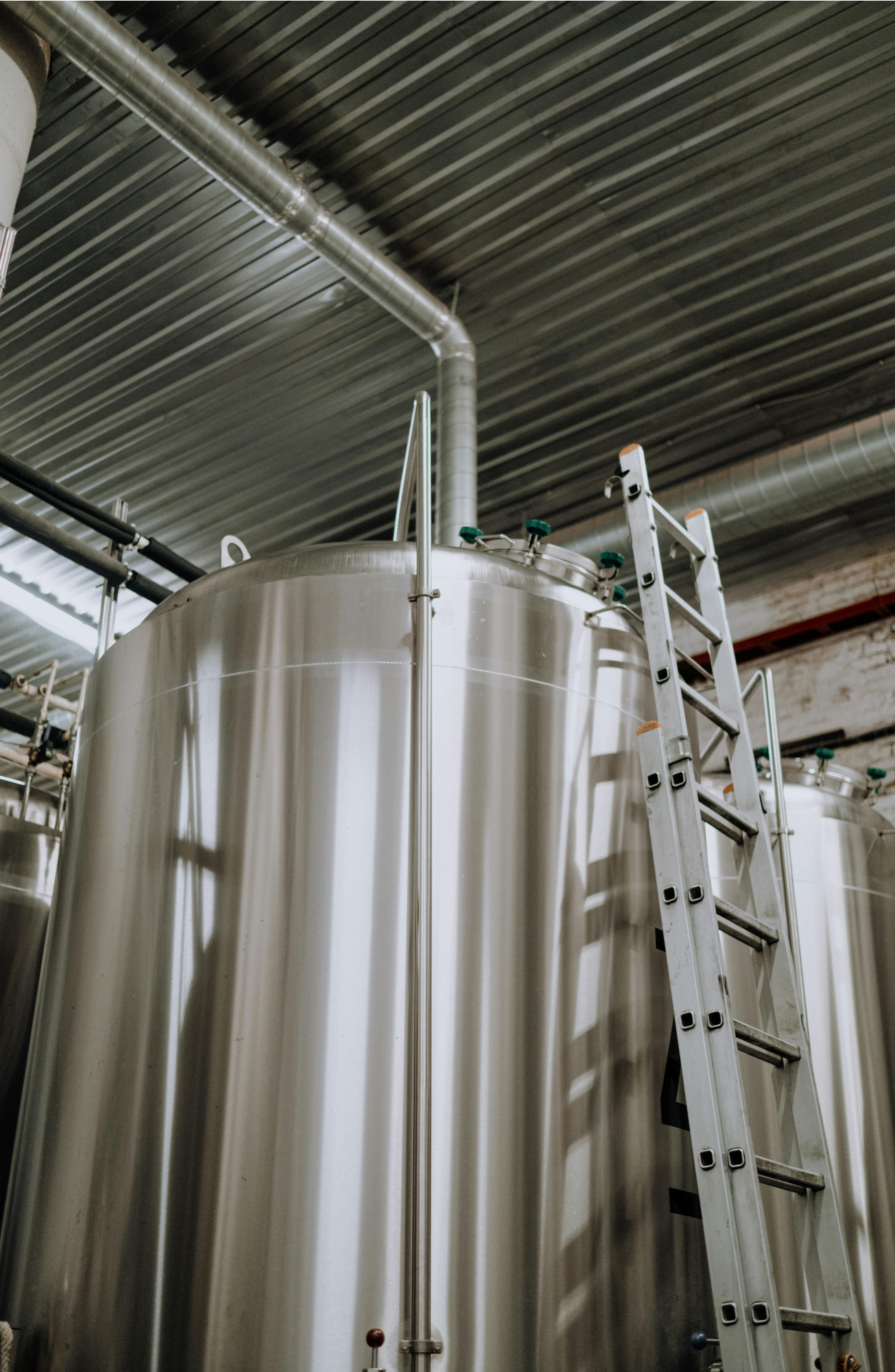
Precision fermentation is increasingly used to produce new food ingredients for global markets. Fermentation itself is as old as civilization: for thousands of years, with little knowledge of the mechanisms at work, it has been used to turn highly perishable foods such as milk and fruit into yogurt, cheese, vinegar, beer, and wine, both for preservation and for culinary refinement. In the 1850s, Louis Pasteur and his contemporaries documented the central role of specific microorganisms in the process.1 Nearly a century later, the discovery of genetics and the revolution in modernmicrobiology that followed gave fermentation a new role in bio-manufacture.2 Among the field's most significant successes was the demonstration that a yeast or a bacterium could be directed to produce human insulin.3